Contentful CMS Implementation
Designed the POI-based single-source architecture behind 200k+ POIs and moved Lonely Planet toward internal CMS ownership.
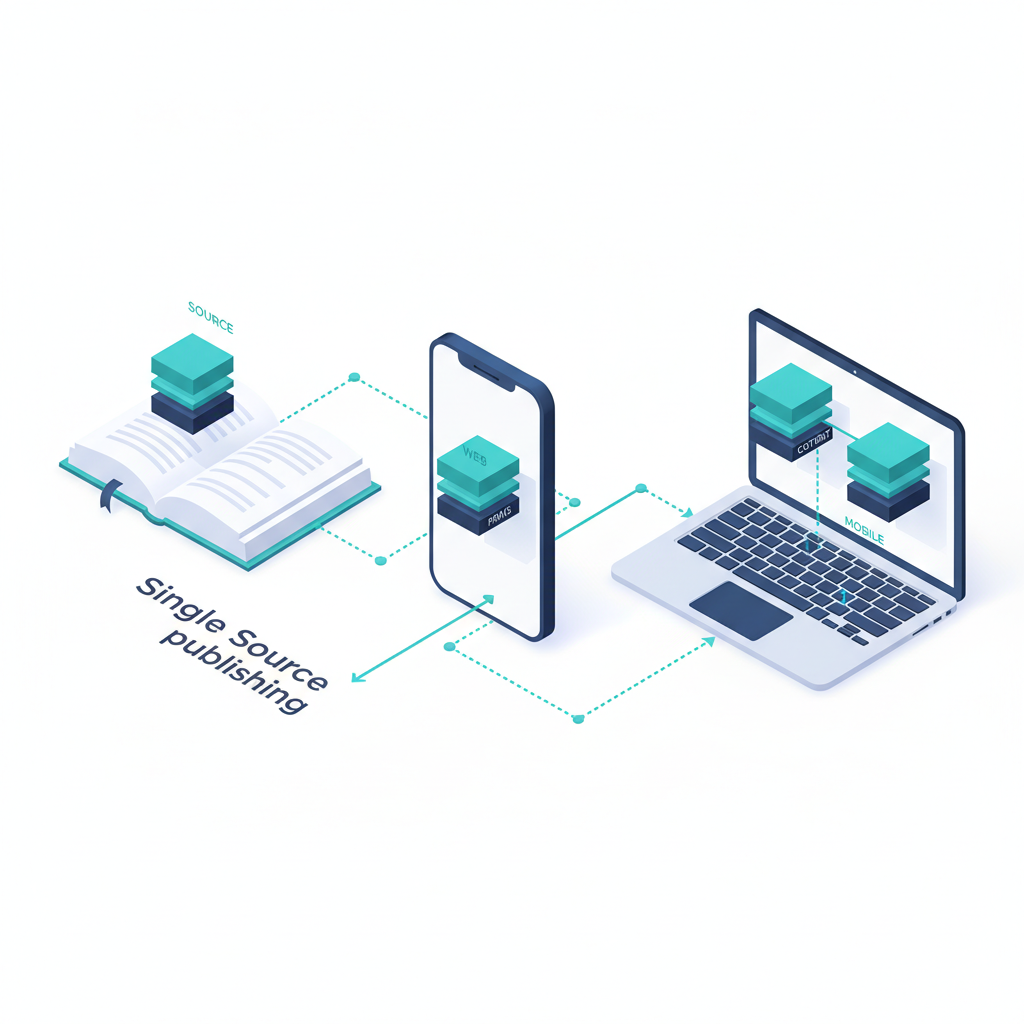
I designed the POI-based content architecture and app content model for Lonely Planet’s Contentful implementation, working with Platform Engineering, Product, and third-party consultants to build a durable content system for print, web, app, and future discovery surfaces.
The challenge
Lonely Planet’s guidebook data, Drupal articles, and destination information lived in disconnected systems. A mobile app could have meant commissioning a new corpus for a new channel. Instead, the work was to make existing editorial expertise structured, governable, and usable wherever the business needed it next.
The operating model
I designed a model in which Points of Interest are shared nodes: a restaurant can connect to a neighborhood guide, itinerary, experience, and destination and stay one piece of editorial work across every channel. Core Content Tags supplied a common taxonomy, so the same underlying expertise could support consistent classification and future personalization.
That architecture now structures 200k+ POIs within a Contentful space of 730k+ content entities. The goal was a single-source model that could support the app launch without net-new commissioning while keeping content appropriate to each surface.
From consultant dependency to internal ownership
The hard part was organizational as well as technical. The program initially depended heavily on EPAM and other external consultants. I worked with Editorial, Engineering, and Product to shift the conversation from a wholesale “rip and replace” to an ecosystem model, and to give internal teams the content models, documentation, training, and decision context to own the system themselves.
Internal ownership was one of the main outcomes. I trained editors, created an Editor’s Guide and supporting documentation, and facilitated iterative content-model sessions with Engineering and Product so that the system could be operated and improved inside the organization.
Cross-functional leadership
I advocated for the content types and sprint priorities needed for the mobile-app launch, while maintaining the editorial standards that made the corpus valuable in the first place. The resulting architecture connects print, web, and app work through a shared content model, so each release builds on the last.
2026: bringing new guidebook formats into the model
The architecture is now absorbing print. I’m leading work to map guidebook structures such as top sights, short-stay itineraries, and tours into the structured model, so new guidebook formats can be built from the same content that powers web and app.
What changed
- 200k+ POIs structured in a single-source Contentful model I designed, within a space of 730k+ entities
- Editorial, Product, and Engineering aligned around shared content-model decisions and release priorities
- Internal CMS ownership strengthened as the organization moved away from EPAM/external-consultant dependency
- App launch enabled without net-new commissioning, using existing structured editorial expertise: of 730k+ entities, only about 50 were created new for the app
- Extended to new guidebook formats (2026): mapping print structures such as top sights, short-stay itineraries, and tours into reusable content types
- Taxonomy and governance established to make content reusable, maintainable, and ready for future AI-era discovery